
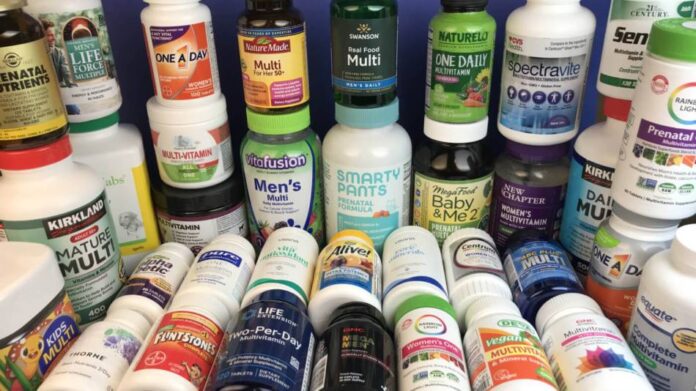
I’ve wasted so much money on multivitamins over the years. Bought whatever was on sale at Costco. Tried the fancy stuff Instagram influencers promoted. Grabbed generic store brands hoping they worked the same as name brands.
The problem is they’re not all the same, despite what the labels suggest. Some brands use cheap synthetic vitamins that your body barely absorbs. Others pack in massive doses that just create expensive urine. A few actually deliver meaningful nutrition in forms your body can use.
After dealing with constant fatigue in my late thirties, I finally got serious about comparing what’s actually in these bottles. Spent weeks researching ingredients, absorption rates, and third-party testing. Turns out most people are choosing multivitamins based on marketing instead of what actually works.
Here’s what I learned comparing the major brands.
The Premium Brands Actually Differ
Garden of Life and Rainbow Light dominate the premium category. Both use whole food sources instead of synthetic vitamins, which sounds great until you check the price – $40-50 for a month’s supply.
Garden of Life includes probiotics and digestive enzymes alongside vitamins. The theory is these help absorption, though I’m not convinced the probiotic dose is meaningful. The pills are huge and smell weird, which bothers some people but doesn’t affect performance.
Rainbow Light focuses on gentler ingredients that won’t upset your stomach on an empty stomach. I’ve taken these without food and felt fine, whereas cheaper brands made me nauseous. Worth considering if you have a sensitive stomach or forget to eat breakfast.
The whole food claim sounds impressive but can be misleading. These vitamins still contain synthesized nutrients – they’re just paired with food concentrates. You’re not actually getting vitamin C from oranges, you’re getting synthetic vitamin C mixed with orange powder.
Both brands undergo third-party testing for purity and potency, which matters more than most people realize. Unregulated supplements sometimes contain contaminants or less than advertised doses. Paying extra for verified contents has value.
The Mid-Range Mass Market Options
One A Day and Centrum own this space. Fifteen to twenty bucks for a month’s supply, available everywhere from gas stations to Walmart. Convenient, affordable, and backed by recognizable brands.
Centrum contains higher doses of most vitamins – often 100-200% of daily values. Sounds better until you learn that excess B vitamins just get peed out and massive vitamin A doses can be problematic long-term. More isn’t always better.
One A Day focuses on age and activity-specific formulas. There’s versions for men over 50, active men, men’s health, etc. The differences are fairly minor – slightly adjusted vitamin ratios and added ingredients like lycopene or saw palmetto.
Both use synthetic vitamins which are cheaper to produce and stable for long shelf life. Your body absorbs these reasonably well despite claims from premium brands. The real question is whether you need all the additives and whether doses match your actual needs.
I used Centrum for years and felt fine. Blood tests showed adequate vitamin levels. But when I switched to a premium brand, I noticed slightly better energy. Could be placebo effect or could be the different ingredient forms. Hard to say definitively.
The Budget Store Brands
Kirkland Signature from Costco and various drugstore brands come in under $10 monthly. They meet basic nutritional requirements and undergo some quality testing, but cut corners on ingredient quality and additional compounds.
Kirkland’s men’s formula is honestly pretty solid for the price. Contains similar vitamin profiles to Centrum but costs half as much. The main difference is fewer extras like lycopene or lutein that may or may not provide benefits anyway.
Store brands from CVS, Walgreens, and Walmart follow similar patterns. They match name-brand vitamin content but use cheaper forms and skip the proprietary blends. For basic nutritional insurance, they’re adequate.
The absorption question matters though. Cheaper magnesium oxide gets absorbed at maybe 4% compared to 30-50% for better forms like citrate or glycinate. Same milligram amount on the label delivers vastly different usable nutrition.
When checking multivitamins for men, compare actual ingredient forms rather than just milligram amounts. The label might show 100mg magnesium, but the form determines what your body actually gets.
Specialized Performance Brands
Optimum Nutrition, MuscleTech, and other fitness brands market multivitamins specifically for active men. They cost $25-35 monthly and include performance-oriented ingredients like amino acids or testosterone support herbs.
The vitamin content is similar to regular multivitamins. The differentiation comes from added BCAAs, creatine, or herbal extracts like tribulus or fenugreek. Whether these additions provide meaningful benefits is debatable.
I tried Optimum Nutrition’s Opti-Men for six months during heavy training. Didn’t notice performance differences compared to regular multivitamins, but I also wasn’t deficient in anything. If you’re already eating well and training properly, expensive formulas won’t magically boost results.
These brands do tend to include higher B-vitamin doses which can help with energy production during intense training. The bright yellow urine confirms you’re absorbing some, though most excess gets wasted.
Third-party testing varies significantly in this category. Some brands verify purity and potency, others don’t. Check for USP or NSF certification to ensure you’re getting what the label promises.
Gummy Vitamins And Alternatives
Gummy multivitamins taste like candy and are easy to take. They also contain less nutrition than pills because gummy formulations can’t pack as much active ingredient into the same space.
Most gummy vitamins lack iron, which can be good since men rarely need supplemental iron. But they also typically have lower doses of everything else. You’re often getting 50-75% of what pill versions provide.
The sugar content bothers me. Most gummies contain 2-3 grams of sugar per serving. Doesn’t sound like much until you realize that’s completely unnecessary sugar in something you take daily for health.
Kids love gummies which makes them good for picky adults I guess. But if you can swallow pills, you’re getting better nutrition for less money with traditional tablets or capsules.
Liquid multivitamins exist too but have similar concentration limitations. Plus they taste terrible despite flavoring attempts, and require refrigeration after opening.
What Actually Matters
Absorption matters more than label claims. Check for methylated B vitamins, chelated minerals, and avoid oxide forms. Your body uses these more efficiently even at lower doses.
Third-party certification ensures purity. USP, NSF, or ConsumerLab verification means the product actually contains what’s claimed without concerning contaminants.
Your actual needs drive value. Blood tests reveal deficiencies that matter. Blindly taking megadoses of everything wastes money and potentially creates imbalances.
Consistency beats optimization. Taking an adequate multivitamin daily provides more benefit than occasionally using the perfect formula. The best multivitamin is the one you’ll actually take every day.
Wrapping This Up
Brand comparison comes down to ingredient quality, absorption rates, third-party testing, and your specific needs. Premium brands offer better forms and additional compounds. Budget brands provide basic coverage cheaply. Specialized formulas target specific goals with mixed evidence.
I’ve landed on mid-range brands with third-party certification as the best value. Paying a bit more than store brands gets better ingredient forms. Not paying premium prices for whole food claims that don’t dramatically affect results.
Test your actual vitamin levels before and after supplementing. You might discover you’re fine with budget brands or that you need specific nutrients at higher doses. Individual variation matters more than general brand comparisons.
Choose based on your actual deficiencies, budget, and what you’ll consistently take. The perfect multivitamin you skip half the time provides less value than an adequate one you take daily.

